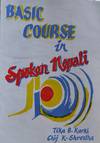
This book is written with the needs of Peace Corps volunteers of Nepal in mind but is equally useful for any foreigners who want to learn Nepali. The material presented here is based on spoken Nepali. Effort has been made to make the material both linguistically and culturally authentic as far as possible. However, the regional variances (Nepali spoken in Eastern vs. Western parts of Nepal) in spoken Nepali as well as in grammar have caused some difficulty in such an effort. In such cases, we have chosen the ones, which, in our experience and knowledge, have appeared to be most common. The differences between the native Nepali speakers (Brahmins, Kshatrys, etc.) and those who speak it as a second language (Gurungs, Newars, Magars, Rais etc.) cause another set of problems. The Nepali spoken by the first group may be considered as correct but the latter represents the majority of the speakers in the country. The material in this book will reflect the influence of this majority group. So while we accept that some of the grammatical patterns used here are not correct in the purest sense, we can claim that this is the way the majority of people do actually speak and consequently most important for the foreigners to learn.
The book contains forty lessons. Each lesson is supplemented by grammar notes and explanations of the usage of different language items that may cause confusion for the learners. Each lesson also includes a list of new words with its English equivalents and conjugation of verbs whenever necessary. The first 'fifteen lessons are written in Roman Script. The English translation of the new structures are also included along side the Romanized Nepali. This is done with those language learners in mind who may try to learn the language on their own. These people will find the introduction to the Nepali sounds and pronounciation practice chart in the beginning of the book and an extensive vocabulary list arranged under different topical headings at the end very useful in their attempt at self learning.
Our years of experience in language teaching and our long association with Peace Corps Nepal as Trainers and Language Specialists have culminated in the production of this book. We have received very valuable comments and criticisms from our fellow trainers and colleagues at different times. More valuable have been the suggestions received from the trainees and volunteers who, as learners using this material, have had better insight into the effectiveness of it. We have attempted to incorporate all these ideas in designing the basic format of the book and chosing the contents as far as possible. Hence we would like to express our appreciation to all of them. Our special thanks also go to Miss Jane Abbot, Peace Corps Volunteer teacher of Tribhuvan University, for going through the grammar notes and providing us with helpful suggestions. We are also grateful to Mr. Krishna Lall Bhai Pradhan whose work in this field has aided our present effort considerably.
- The Authors
Preface to this Edition
The present edition contains a number of corrections and additions. An entire new section has been added on Reading and Writing. This was done with a view to meeting the needs of those who wish to learn how to read and write. Also added are (i) some Nepali idioms (ii) adverbial expressions, and (iii) common Nepali proverbs which we hope the learners will find useful.
Every effort has been made to eliminate the typographical errors which appeared in the second edition.
We have received valuable suggestions from many learners who have used this book. We would like to express our grateful thanks to all of them.
Tika B. Karki
Chij K. Shrestha